

“City of Angels,” directed by Brad Silberling, is a film that flutters between the ethereal and the earthly, attempting to weave a poignant tale of love and loss. Starring Nicolas Cage as Seth, a brooding angel, and Meg Ryan as Maggie, a pragmatic heart surgeon, the film explores the intersection of divine intervention and human emotion. While it reaches for the stars, it often finds itself grounded by a mix of melodrama and schmaltz.
From the opening scenes, where angels silently observe the bustling city of Los Angeles, you are drawn into a visually stunning world where the celestial and the mundane coexist. The direction is meticulous, with Silberling crafting an atmosphere that is both serene and melancholic. The ethereal imagery, coupled with a hauntingly beautiful score by Gabriel Yared, sets the tone for a love story that transcends the ordinary.
The writing, adapted from Wim Wenders’ “Wings of Desire,” is a mix of profound and clichéd. The dialogue swings between genuinely touching moments and overly sentimental musings. Lines like, “I would rather have had one breath of her hair, one kiss of her mouth, one touch of her hand, than an eternity without it,” aim for poetic depth but occasionally come off as overly saccharine. However, the film’s exploration of existential themes, such as the longing for human experience and the pain of loss, resonates deeply.
Nicolas Cage’s portrayal of Seth is an exercise in restrained emotion. His intense gaze and quiet demeanor convey the inner turmoil of an angel who falls in love with a mortal. While some of his performance may veer into the realm of stoic and detached, Cage manages to infuse Seth with a sense of wonder and vulnerability. Meg Ryan, as Maggie, is the emotional anchor of the film. Her performance is heartfelt and grounded, providing a stark contrast to Seth’s otherworldly presence. The chemistry between Cage and Ryan is palpable, though occasionally undermined by the film’s more contrived moments.
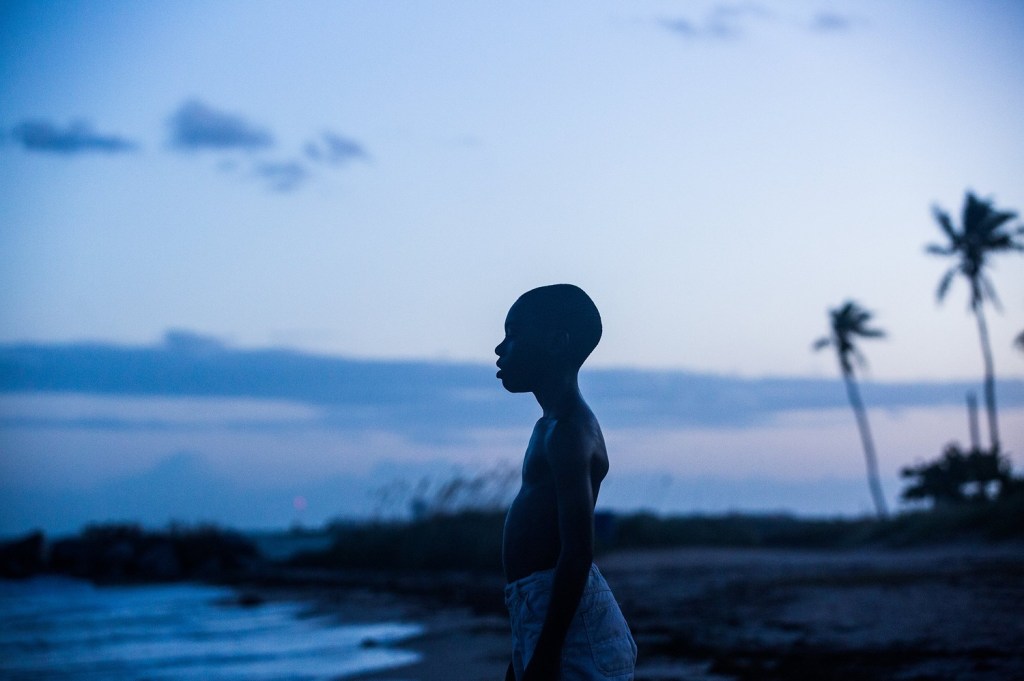
The cinematography by John Seale is nothing short of breathtaking. The use of light and shadow, particularly in scenes where angels gather at dawn and dusk, creates a visually poetic landscape. The contrast between the sterile, clinical world of the hospital and the expansive, mystical vistas where Seth and his fellow angels dwell, underscores the film’s central dichotomy of life and death, heaven and earth.
Editing by Lynzee Klingman and Bruce Green is generally smooth, although the pacing can feel uneven at times. The film’s transition between the slow, contemplative moments and the more dramatic plot points can be jarring, disrupting the overall flow. However, the editors manage to maintain the film’s dreamlike quality, especially in sequences where the boundaries between the angelic and human realms blur.
In conclusion, “City of Angels” is a film that aspires to greatness but is occasionally weighed down by its own ambitions. It’s a celestial love story that soars with its stunning visuals and earnest performances but sometimes falters under the weight of its melodrama. Despite its flaws, it remains a touching exploration of love, loss, and the yearning for human connection.
Scores (out of 5)
- Directing: 4/5
- Writing: 3.5/5
- Acting: 4/5
- Cinematography: 5/5
- Editing: 3.5/5
- Overall Film: 4/5
Final Verdict
“City of Angels” is a heartfelt, visually stunning film that captures the beauty and tragedy of love and longing. While it sometimes dips into melodrama, its sincere performances and poignant themes make it a memorable cinematic experience.

 Proverbial Films