
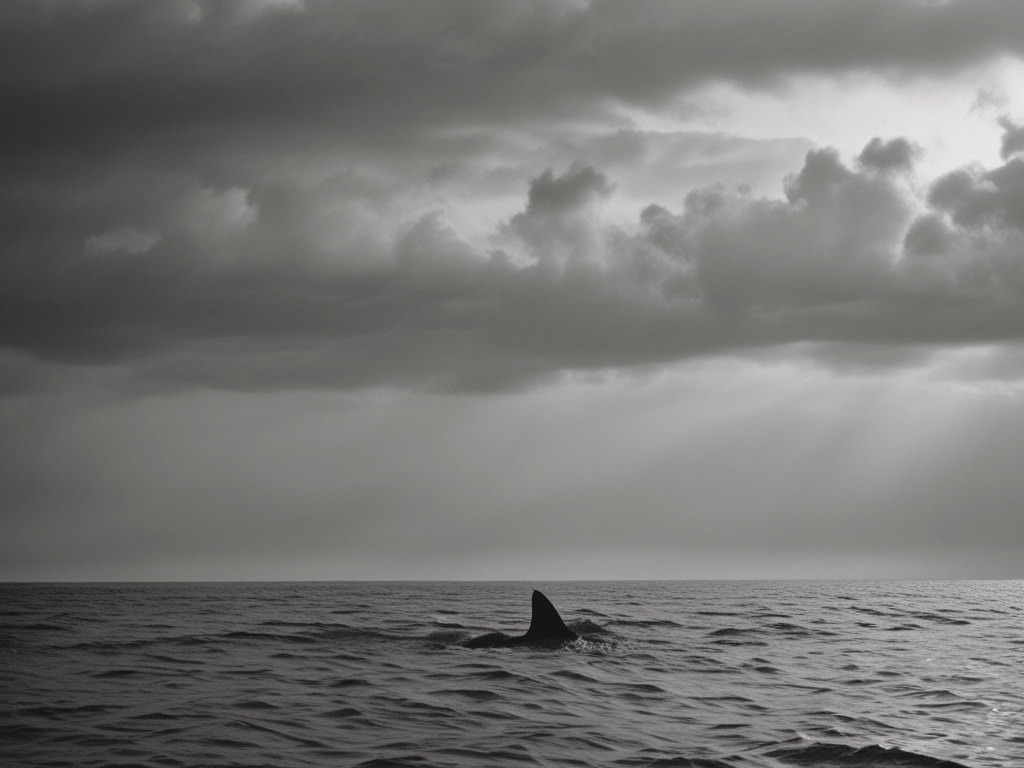
“Jaws: The Revenge” is the fourth instalment in the Jaws franchise, directed by Joseph Sargent. Unfortunately, it is a far cry from Steven Spielberg’s original masterpiece. Released in 1987, this film attempts to revive the terror of the great white shark but instead dives into the depths of absurdity, leaving audiences bewildered rather than frightened. With a plot that stretches believability, lacklustre performances, and questionable direction, “Jaws: The Revenge” is a cinematic shipwreck.
From the outset, the film struggles to justify its existence. The premise is as ludicrous as it sounds: a great white shark seeking revenge on the Brody family. Yes, the shark is apparently driven by vengeance. This time, the action shifts from the familiar waters of Amity Island to the warmer climes of the Bahamas, but the change of scenery does little to mask the film’s inherent flaws.
The writing by Michael de Guzman is rife with clichés and logical leaps. Ellen Brody, played by Lorraine Gary in a reprisal of her role, becomes the focal point of the shark’s vendetta after her youngest son is killed in a typically gory opening scene. The script offers no plausible explanation for the shark’s seemingly supernatural ability to track the Brody family, nor does it delve into character development or narrative coherence. Instead, it plods along with a series of improbable events and eye-roll-inducing dialogue.
Lorraine Gary does her best with the material she’s given, but even her earnest performance cannot salvage the film. Her portrayal of Ellen Brody, a woman haunted by her family’s traumatic encounters with sharks, is sincere but overshadowed by the film’s ridiculous premise. Lance Guest, as her surviving son Michael, and Mario Van Peebles, as his friend Jake, offer serviceable performances, but they are ultimately forgettable. Michael Caine, who plays the charming pilot Hoagie, famously admitted he took the role for the paycheck, and it shows in his detached, though charming, performance.
Cinematographically, the film is a mixed bag. The underwater shots and scenes involving the shark are often murky and poorly executed, lacking the tension and realism that made the original “Jaws” so terrifying. There are a few visually striking moments, particularly the scenic shots of the Bahamas, but they are few and far between. The practical effects for the shark are laughably unconvincing, a far cry from the menacing presence of Bruce, the shark from the original film.
Editing by Michael Brown is disjointed and erratic. The pacing is uneven, with moments of inexplicable slow motion that add nothing to the tension or storytelling. The film’s climax, involving an over-the-top confrontation with the shark, is poorly stitched together, resulting in a confusing and unsatisfying finale.
In conclusion, “Jaws: The Revenge” is a testament to the dangers of milking a franchise dry. It is a film that sinks under the weight of its absurd plot, uninspired writing, and lackluster execution. While it may offer some unintentional laughs and nostalgic moments for die-hard fans, it ultimately fails to capture the suspense and terror that made the original “Jaws” a classic.
Scores (out of 5)
- Directing: 2/5
- Writing: 1.5/5
- Acting: 2.5/5
- Cinematography: 2/5
- Editing: 1.5/5
- Overall Film: 2/5
Final Verdict
“Jaws: The Revenge” is a sinking ship of sequel shenanigans, bogged down by a preposterous premise and poor execution. It’s a film that flounders where it should have swum, offering little more than a cautionary tale about the perils of pushing a franchise too far.

 Proverbial Films