
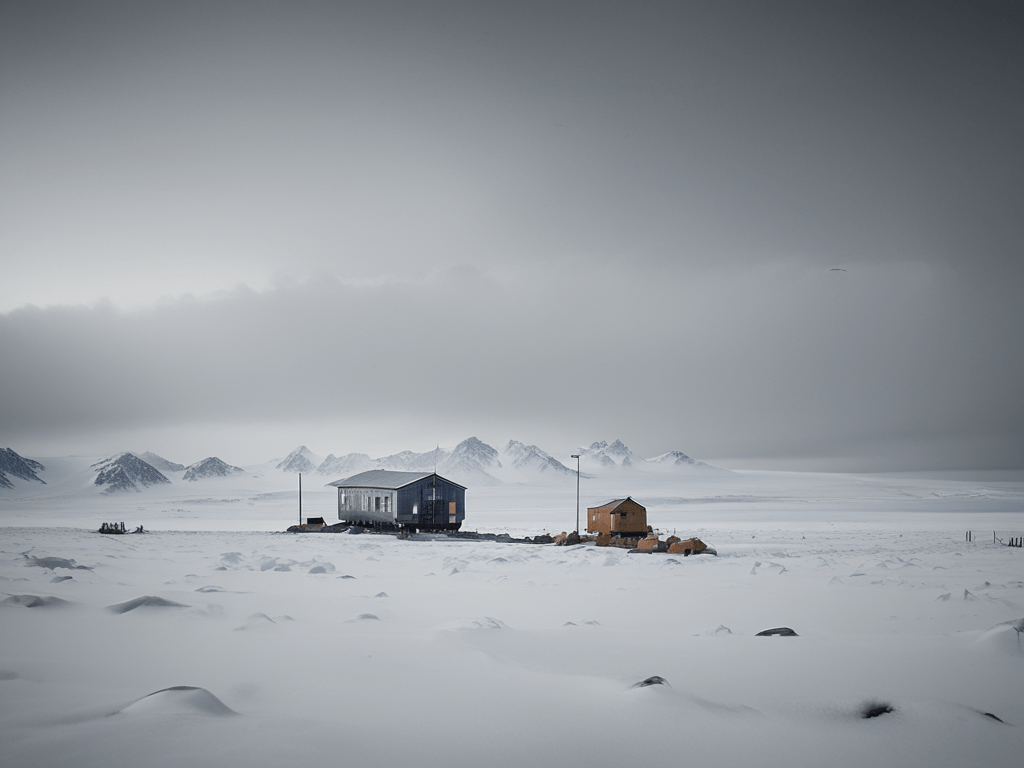
Step into the frigid, isolated world of Antarctica, where the desolate landscape is the perfect setting for a terrifying encounter with an extraterrestrial force. John Carpenter’s “The Thing” is not just a horror movie; it’s a suspenseful, paranoia-fueled thrill ride that grips you by the throat and never lets go. With its meticulous blend of practical effects, taut direction, and an atmosphere thick enough to cut with a knife, “The Thing” remains one of the most gripping horror films of all time.
From the moment the helicopter pursues a dog across the icy wasteland, you’re pulled into a narrative that’s as relentless as the Antarctic winter. Carpenter’s direction is a masterclass in building tension. Every frame is loaded with a sense of impending doom, every shadow potentially hiding the shape-shifting menace that could be any one of the characters. His ability to create a claustrophobic, suffocating atmosphere is unparalleled, and it’s this tension that keeps you on the edge of your seat throughout the film.
The writing, adapted from John W. Campbell Jr.’s novella “Who Goes There?”, delves deep into the theme of trust—or the lack thereof. The dialogue is sharp and to the point, serving the dual purpose of advancing the plot while heightening the sense of paranoia. Each character’s growing distrust of the others mirrors the audience’s own uncertainty, making every interaction fraught with potential danger.
The acting ensemble, led by Kurt Russell as the rugged and resourceful R.J. MacReady, is top-notch. Russell’s performance anchors the film, providing a steady presence amidst the chaos. The supporting cast, including Wilford Brimley, Keith David, and Richard Dysart, deliver compelling performances that bring out the desperation and fear experienced by each member of the research team. The dynamic between the characters is what gives the film its emotional core, as friendships and alliances crumble under the weight of suspicion.
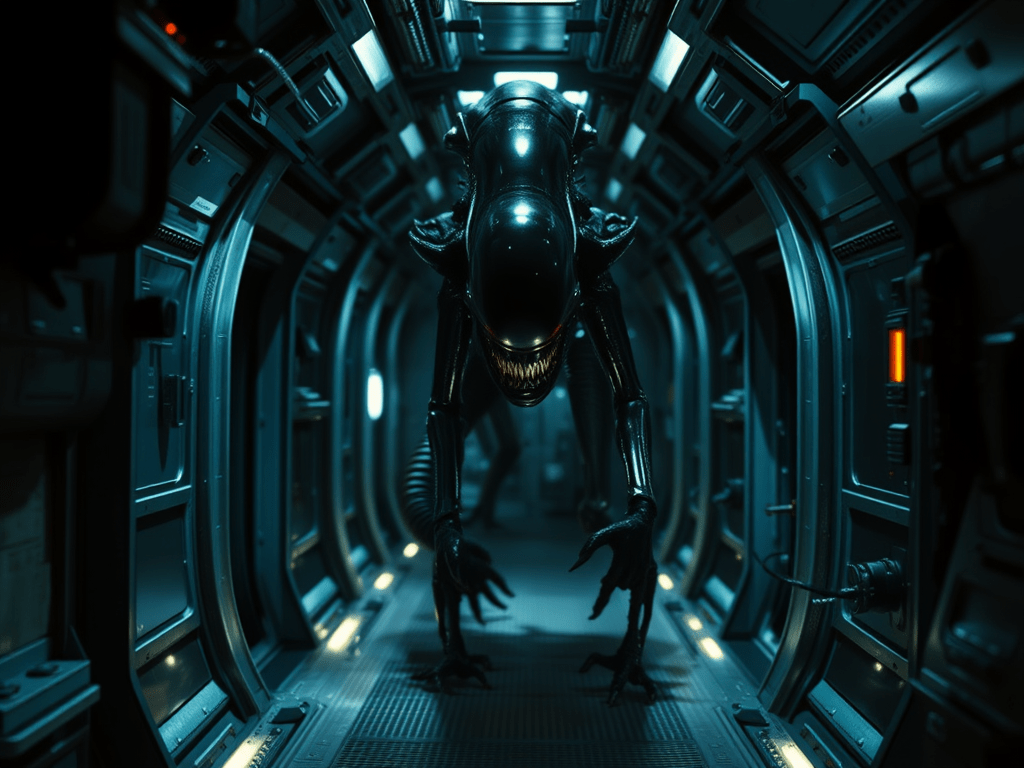
Rob Bottin’s practical effects work is nothing short of revolutionary. The creature effects are grotesque, horrifying, and disturbingly lifelike, pushing the boundaries of what was possible in 1982. The transformation scenes are particularly harrowing, as flesh and bone contort and reshape into monstrous forms. These visuals are not just frightening but also serve to amplify the film’s underlying theme of identity and the unknown.
Cinematographically, “The Thing” is a visual feast. Dean Cundey’s use of light and shadow plays a critical role in creating the film’s oppressive atmosphere. The harsh, white expanse of the Antarctic is contrasted with the dark, confined interiors of the research station, reflecting the characters’ isolation and entrapment. The cinematography complements the film’s tension, with every shot meticulously crafted to enhance the sense of unease.
The editing, by Todd Ramsay, is razor-sharp. The pacing is relentless, with each scene building upon the last, driving the narrative forward without a moment’s respite. The seamless transitions between scenes maintain the film’s momentum, keeping the audience engaged and on edge. The editing also plays a crucial role in maintaining the mystery of the creature’s identity, with strategic cuts that keep you guessing until the very end.
In conclusion, “The Thing” is a masterclass in horror and suspense, a film that leverages every aspect of filmmaking to create an experience that is as terrifying as it is unforgettable. Carpenter’s vision, combined with stellar performances and groundbreaking effects, makes “The Thing” a timeless entry in the horror genre.
Scores (out of 5)
- Directing: 5/5
- Writing: 4.5/5
- Acting: 5/5
- Cinematography: 5/5
- Editing: 5/5
- Overall Film: 5/5
Final Verdict
“The Thing” is a chilling masterpiece that excels in every aspect of filmmaking. It’s a film that not only terrifies but also engages the intellect, probing deep into themes of trust, identity, and survival. An absolute must-watch for any horror aficionado.

 Proverbial Films